
Non-Arabic Speakers Should Learn the Qur’an in Arabic

Why Non-Arabic Speakers Should Learn the Qur’an in Arabic The Qur’an is not just a book — it’s the final revelation from Allah, delivered in Arabic. While translations can help non-Arabic speakers grasp the general meaning, they cannot fully capture the depth, beauty, and precision of the original text. Learning the Qur’an in Arabic opens doors to a richer understanding of Allah’s message. Preserving the Original Meaning Arabic words often carry multiple shades of meaning that cannot be translated into a single English or other language equivalent. For example, the word “Rahmah” is often translated as “mercy,” but it encompasses compassion, kindness, and nurturing care. Improving Prayer and Worship Knowing Qur’anic Arabic deepens concentration in salah. When you understand the verses you recite, your prayer becomes more heartfelt and focused. Connecting with Islamic Scholarship Most classical Islamic books, tafsirs, and hadith compilations are in Arabic. Learning Arabic allows you to directly access these resources without relying on translations, which may differ in interpretation. Enhancing Tajweed and Recitation When you understand what you are reciting, you naturally become more mindful of pronunciation and pauses, which improves Tajweed. Strengthening Spiritual Connection Hearing and understanding the Qur’an in Arabic can move the heart in ways translation cannot. The rhythm, sound, and eloquence of the Arabic Qur’an are part of its miracle. Conclusion You don’t need to be fluent in Arabic to start connecting with the Qur’an in its original language. Even learning a small amount can enrich your worship and deepen your faith. With patience, dedication, and the help of modern online resources, every non-Arabic speaker can take this beautiful step.
How Parents Can Help Kids Learn the Qur’an Online

How Parents Can Help Kids Learn the Qur’an Online Children absorb knowledge faster than adults, and introducing them to the Qur’an at a young age builds a foundation of love and respect for Allah’s words. With online Qur’an learning, parents can provide their children with qualified teachers without leaving the home. But parental involvement is key to making the process smooth and enjoyable. Choose the Right Online Platform Not all online Qur’an learning programs are the same. Look for: Create a Learning Space at Home Children learn best when they have a dedicated, quiet space free from distractions. This space should include: Build a Routine Consistency helps children form habits. Set a fixed time every day or week for Qur’an class and revision. Avoid scheduling lessons when the child is tired or hungry. Encourage and Reward Progress Positive reinforcement boosts motivation. You can: Learn Together If you’re also working on your Qur’an recitation, share that journey with your child. Let them see you attending classes, revising, or listening to Qur’an. Children often imitate what they see. Keep Learning Fun Children engage better when lessons include variety. Use Qur’an games, mobile apps, or short competitions at home. Introduce Islamic stories related to the surahs they’re learning. Conclusion Helping your child learn the Qur’an online is an investment in both their religious and personal growth. With the right environment, encouragement, and consistent routine, your child can bui
The Best Tajweed Tips for Non-Arabic Speakers
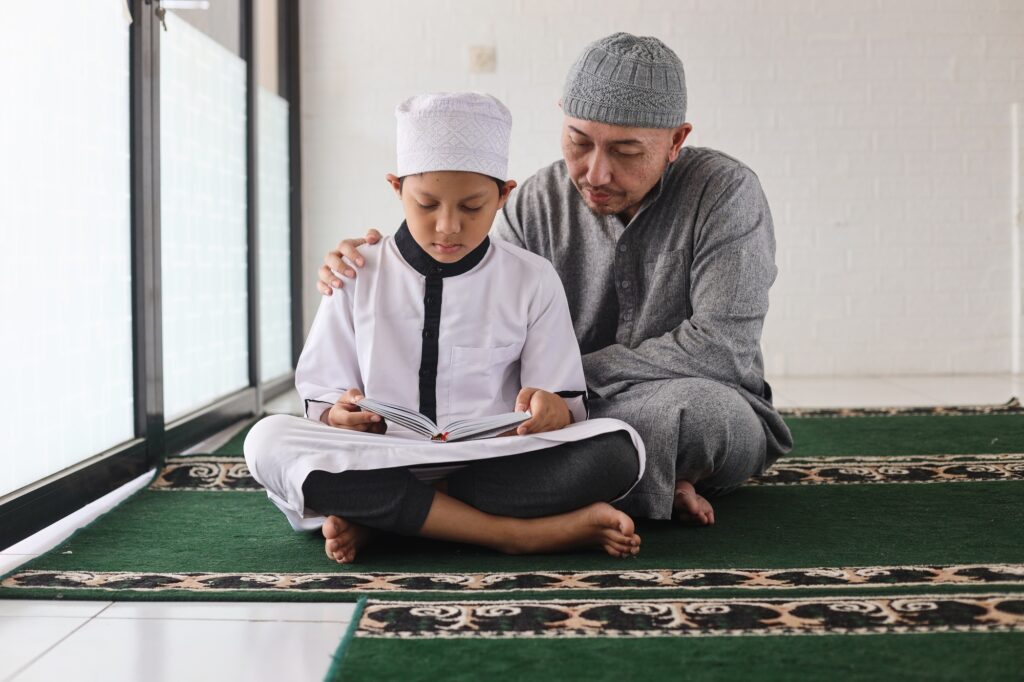
The Best Tajweed Tips for Non-Arabic Speakers Tajweed — the correct pronunciation of Qur’anic Arabic — is not just a skill; it’s an act of worship. For non-Arabic speakers, mastering Tajweed can seem like a challenge, but with the right approach, it becomes a deeply rewarding journey. Tajweed preserves the original beauty and meaning of the Qur’an, ensuring that the words are recited just as they were revealed to Prophet Muhammad ﷺ. Understand Why Tajweed Matters Many non-Arabic speakers think that simply being able to read Arabic letters is enough. But Tajweed rules prevent mistakes that could change meanings. For example: By learning Tajweed, you protect the sanctity of the Qur’an’s words. Makharij are the specific points in the mouth, tongue, and throat from which Arabic letters originate. Understanding these points is the foundation of Tajweed. Learn One Rule at a Time Tajweed has many rules: Ikhfa, Idgham, Qalqalah, Madd, etc. Trying to learn them all at once will overwhelm you. Instead: Practice with a Teacher Self-study can take you far, but a qualified teacher can correct subtle mistakes that you might never notice yourself. Even one or two online classes per week can dramatically improve your recitation. Listen and Imitate Choose a reciter whose style you enjoy — for example, Mishary Alafasy, Abdul Basit, or Maher Al-Muaiqly — and listen daily. Mimicking their tone, pauses, and pronunciation trains your ear to hear correct Tajweed. Record Yourself Use your phone to record your recitation. Compare it to a professional reciter or play it for your teacher to get feedback. Practice Every Day, Even for 5 Minutes Consistency is more powerful than long but irregular practice sessions. Make Tajweed a daily habit, even if you only work on a few ayahs. Conclusion Tajweed is a journey of patience and persistence. For non-Arabic speakers, it’s not about perfection on day one — it’s about gradual improvement and deepening your connection with the Qur’an. With consistent effort and guidance, you’ll soon recite the Qur’an with beauty and confidence.