

Al Fayum
About Destination ..
Fayoum is far more than a mere escape from the bustle of the capital; it is a profound geological and cultural anomaly. Located just south of Cairo, this ancient depression is fed by the Nile via the Bahr Yussef canal, creating a lush, fertile basin that has sustained life since the dawn of time. To visit Fayoum is to traverse a landscape where time itself seems to fold. In the UNESCO World Heritage site of Wadi El Hitan, the “Valley of the Whales,” the desert floor reveals a staggering secret: 40-million-year-old fossils of whales with legs, a silent testament to an era when this arid expanse was a vast, prehistoric ocean.
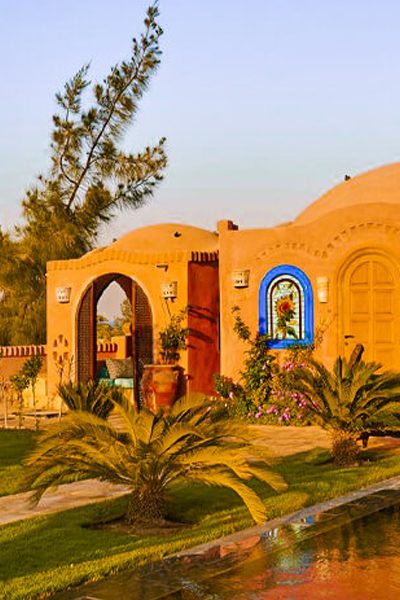
As the deep history of the land transitions into the human era, Fayoum reveals its Greco-Roman and Coptic heritage through the crumbling ruins of Karanis and the isolated monasteries that dot the desert fringe. However, the true heartbeat of modern Fayoum is found in Tunis Village. Originally a quiet agricultural hamlet, it was transformed into a world-renowned artistic hub by a Swiss potter in the 1980s. Today, it stands as a bastion of creativity, where ivy-draped villas house master ceramicists and the air is thick with the scent of jasmine and wood-fired kilns. Here, the “Slow Living” movement isn’t a trend—it is the local way of life. Whether you are watching the sun set over the salt-crusted shores of Lake Qarun or molding clay alongside a local artisan, Fayoum offers a rare opportunity to reconnect with the raw, unhurried elements of the earth.
Iconic
Landmarks
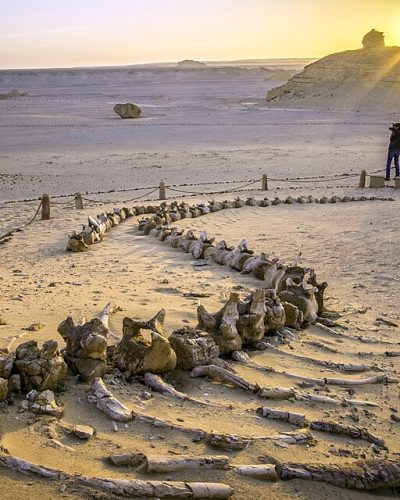
- Wadi El Hitan
A UNESCO open-air museum showcasing the evolutionary transition of whales in a surreal desert landscape
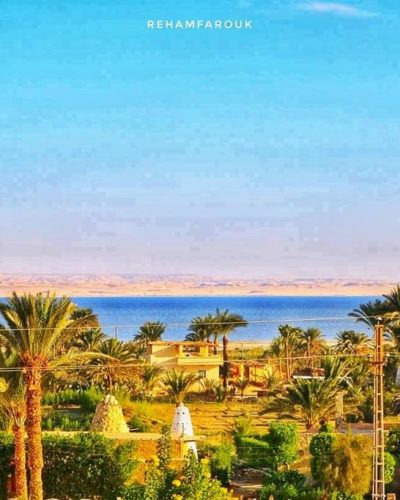
- Tunis Village
The artistic soul of the oasis, famous for its colorful pottery, Mediterranean-style architecture, and bird-watching.
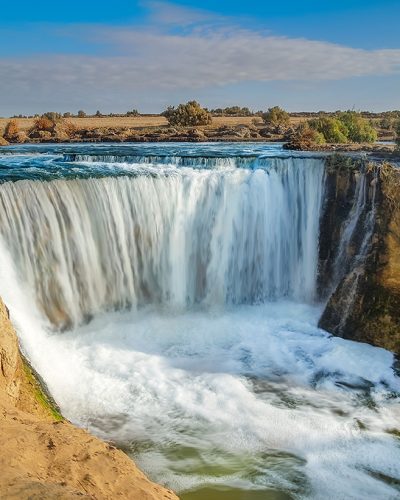
- Wadi El Rayan Waterfalls
Egypt’s only waterfalls, connecting the upper and lower lakes amidst rolling sand dunes.
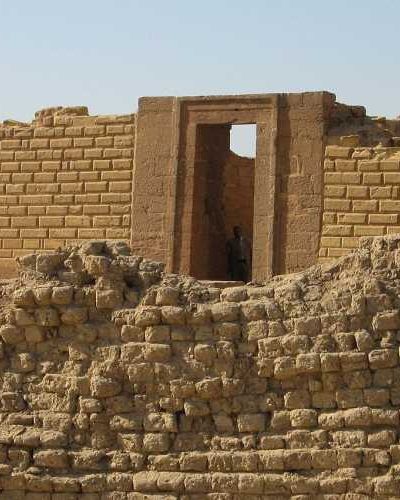
- Karanis (Kom Aushim)
The remains of a Greco-Roman town that offers a hauntingly beautiful look at ancient domestic life and granaries

