Introduction:
Embarking on the sacred journey of Hajj and Umrah is a profound spiritual milestone for Muslims worldwide. Whether it is your first pilgrimage or you seek to deepen your understanding, this beginner’s guide provides a clear, step-by-step overview of the essential rituals and preparations. Understanding these steps will help you approach your pilgrimage with confidence, ease, and a focused heart to fully embrace this blessed journey.
Step 1: Preparing for the Pilgrimage
Before setting out, ensure physical readiness and obtain all necessary documents, including a valid passport, Hajj or Umrah visa, and vaccination certificates. Review the mandatory vaccinations such as the Meningococcal vaccine and COVID-19 vaccine and complete any recommended medical checkups. Spiritually, begin with sincere intentions (niyyah), seeking Allah’s guidance and forgiveness, and learning about the pilgrimage rites in advance.
Step 2: Entering the State of Ihram
Ihram is the sacred state that marks the official start of the pilgrimage rituals. Men wear two simple white unstitched cloths—one wrapped around the waist and the other over the shoulder. Women wear modest, plain clothing that covers the body except the face and hands. Ihram must be assumed before crossing specific boundary points called Meeqat. When donning Ihram, pilgrims make the intention to perform Hajj or Umrah and recite the Talbiyah, a prayer that expresses readiness to answer Allah’s call.
Step 3: Performing Tawaf (Circumambulation of the Kaaba)
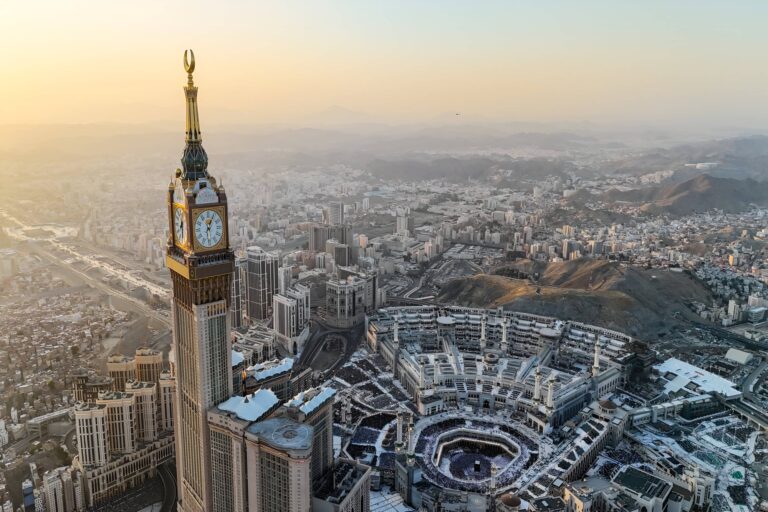
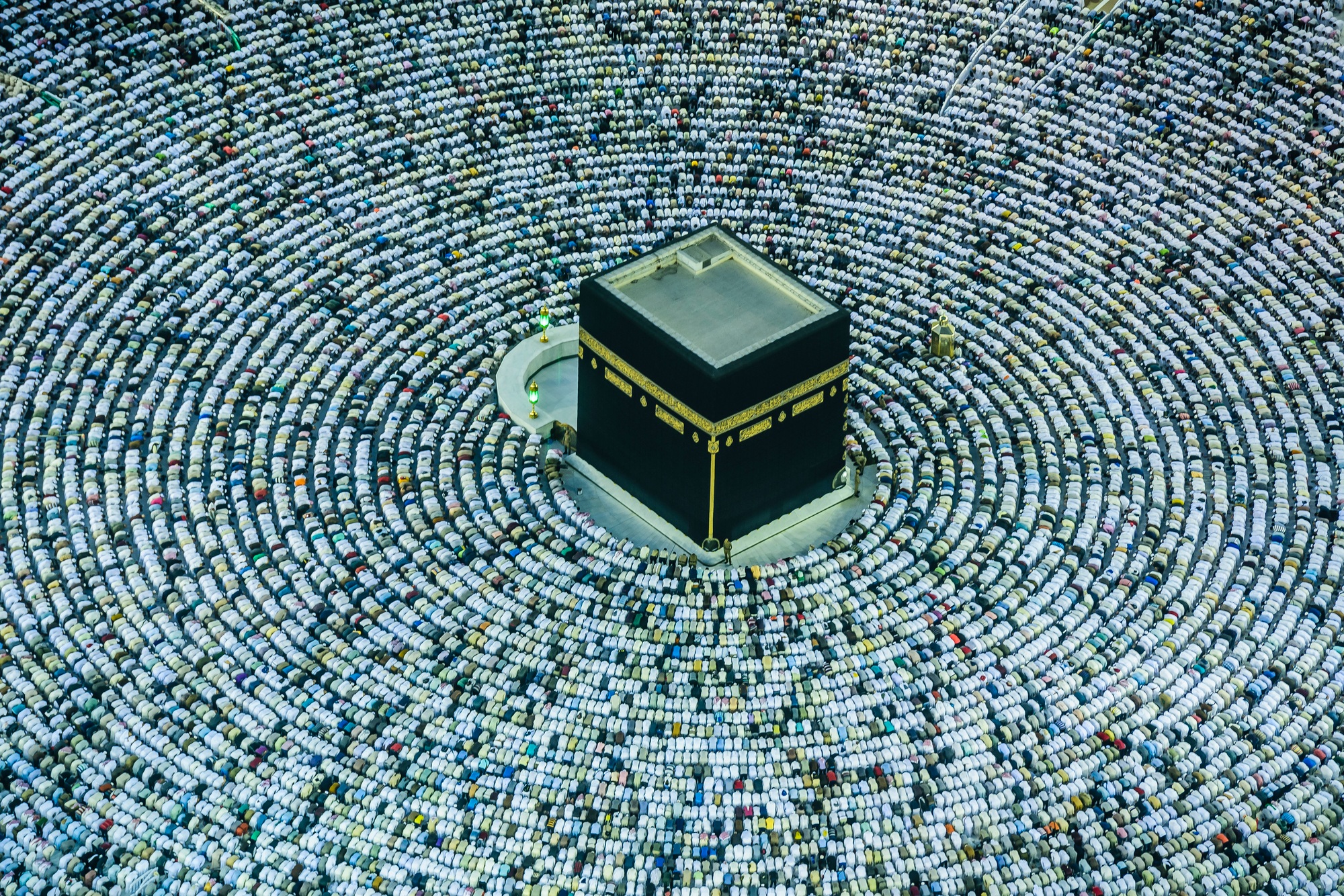
Upon arrival at Masjid al-Haram in Mecca, pilgrims perform Tawaf by circling the Kaaba seven times counterclockwise, starting at the corner of the Black Stone (Hajar al-Aswad). Each circuit is performed with reverence and devotion. After Tawaf, women and men both perform two units (rakats) of prayer near the Maqam Ibrahim if possible. This ritual symbolizes unity and submission to Allah.
Step 4: Performing Sa’i (Walking Between Safa and Marwa)
After Tawaf, pilgrims proceed to Sa’i, which involves walking seven times back and forth between the hills of Safa and Marwa within Masjid al-Haram. This ritual commemorates Hagar’s search for water for her son Ishmael and represents patience and trust in Allah’s mercy.
Step 5: Halq or Taqsir (Shaving or Trimming Hair)
The final Umrah ritual is to shave the head (Halq) or trim a portion of hair (Taqsir), symbolizing spiritual renewal and the completion of the pilgrimage rites. Men typically shave their heads, while women trim a small portion of their hair.
Step 6: Completing Hajj Rituals (if applicable)
For pilgrims performing Hajj, additional rituals extend over several days in specific locations including Mina, Arafat, Muzdalifah, and back to Mina for stoning the devil (Ramy al-Jamarat), animal sacrifice (Qurbani), and final Tawaf (Tawaf al-Wada). Each ritual commemorates important moments in Islamic history and involves profound acts of worship, prayer, and reflection.
Conclusion:
Hajj and Umrah are transformative journeys—both physically demanding and spiritually enriching. By understanding and following these step-by-step rituals with devotion and care, you prepare yourself for an unforgettable pilgrimage that brings you closer to Allah, renews your faith, and purifies your soul. May your journey be blessed, safe, and filled with profound spiritual rewards.
Share This: