Introduction
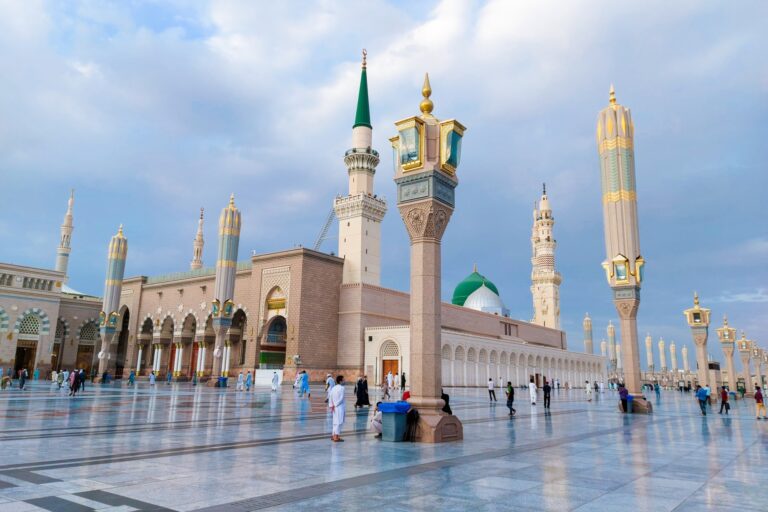
Hajj and Umrah are spiritually transformative pilgrimages that require physical endurance and careful preparation. The large crowds, demanding rituals, and challenging weather conditions can pose health and safety risks if not managed properly. Prioritizing your health and safety is essential to fully benefit from this sacred journey and avoid potential medical emergencies. This guide provides essential health and safety tips to help pilgrims prepare physically and mentally for a smooth, fulfilling pilgrimage experience.
Key Health Tips for Pilgrims
- Get Mandatory Vaccinations
Ensure you receive all required vaccinations well before your trip. The Saudi Ministry of Health mandates vaccines such as the Meningococcal ACYW135, COVID-19, polio (for travelers from specific countries), and yellow fever (if applicable). These vaccines protect against contagious diseases common in crowded pilgrimage settings and are verified at visa issuance and entry points.
- Undergo a Medical Checkup
Especially for elderly pilgrims or those with chronic health conditions, a thorough medical assessment is critical. Consult your healthcare provider to evaluate your fitness for the pilgrimage, manage ongoing conditions, and discuss necessary medications. Carry prescriptions and a basic first aid kit.
- Stay Hydrated and Eat Wisely
The climate during Hajj and Umrah can be hot and dry, increasing dehydration risk. Drink plenty of water—at least 2 to 3 liters daily—and consume balanced, nutritious meals. Avoid street food that may cause stomach issues and opt for hygienic food options.
- Protect Yourself from Heat
Wear light, breathable clothing compatible with Ihram rules, apply sunscreen liberally, and use a hat or umbrella for shade when outside. Avoid overexertion during peak sun hours and take regular rest breaks to prevent heat exhaustion or heatstroke.
- Wear Comfortable Footwear
Pilgrimage rituals involve extensive walking and standing. Choose comfortable, well-fitting shoes or sandals to avoid blisters, foot pain, and injuries. Proper foot care before and during the trip is crucial.
Important Safety Practices
- Follow Crowd Safety Guidelines
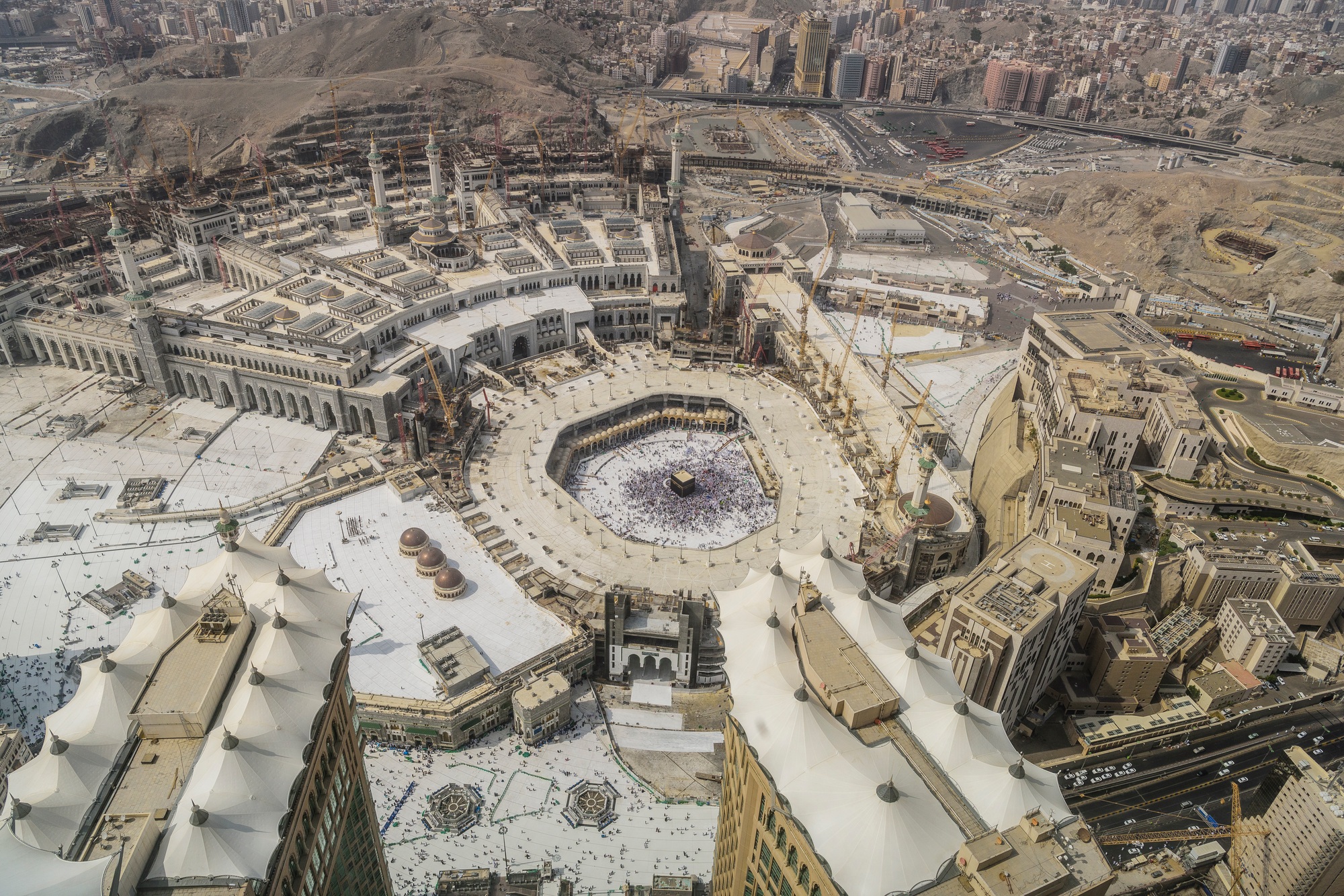
Massive crowds are a hallmark of Hajj and Umrah. Stay close to your group, follow official guidelines, and avoid pushing or rushing in congested areas. Be aware of emergency exits and listen to announcements from authorities.
- Maintain Personal Hygiene
Regular handwashing with soap or hand sanitizer significantly reduces the risk of infections. Carry hygiene essentials and use masks in crowded places, especially during flu seasons or pandemics.
- Pace Yourself and Rest
Balance your pilgrimage rituals with adequate rest. Avoid overexertion by planning your schedule wisely and listening to your body’s signals. Fatigue can impair your focus and increase the risk of accidents.
- Be Prepared for Emergencies
Know where medical stations and emergency services are located in pilgrimage sites. Keep emergency contact numbers handy and inform your travel companion or group leader about any medical conditions.
Conclusion
Health and safety are foundational to a spiritually rewarding Hajj and Umrah. By taking proactive steps—vaccinating, hydrating, protecting from heat, pacing yourself, and following safety guidelines—you safeguard your well-being and enrich your pilgrimage experience. Prioritize your physical and mental health to fully embrace this profound journey of faith, devotion, and renewal. May your pilgrimage be blessed, safe, and spiritually fulfilling.
share This: